.avif)
.avif)
AI in B2B Sales: How CROs Are Driving Adoption, and Real Results
Discover how leading CROs and revenue teams are turning AI from a mandate into measurable results in B2B sales. Learn which tools they’re using, how they’re tracking impact, and what it takes to make AI adoption stick.
AI adoption has shifted from Novelty to Necessity.
Artificial intelligence has rapidly become table stakes for B2B sales organizations. In fact, a 2025 Allegro survey of revenue enablement leaders found that 100% now use generative AI in some capacity, up from 62% the year prior.
One of the key reasons driving AI adoption is that in B2B SaaS, growth has declined to about half (since the 2022 crash), and the cost of growth has nearly doubled. GTM efficiency - the cost of acquiring one dollar of net new ARR - has spiraled out of control, leaving many without immediate recourse.
Human sellers are expensive, often lack the knowledge to add value in buyer-seller conversations, and cannot keep up with ever-changing needs.
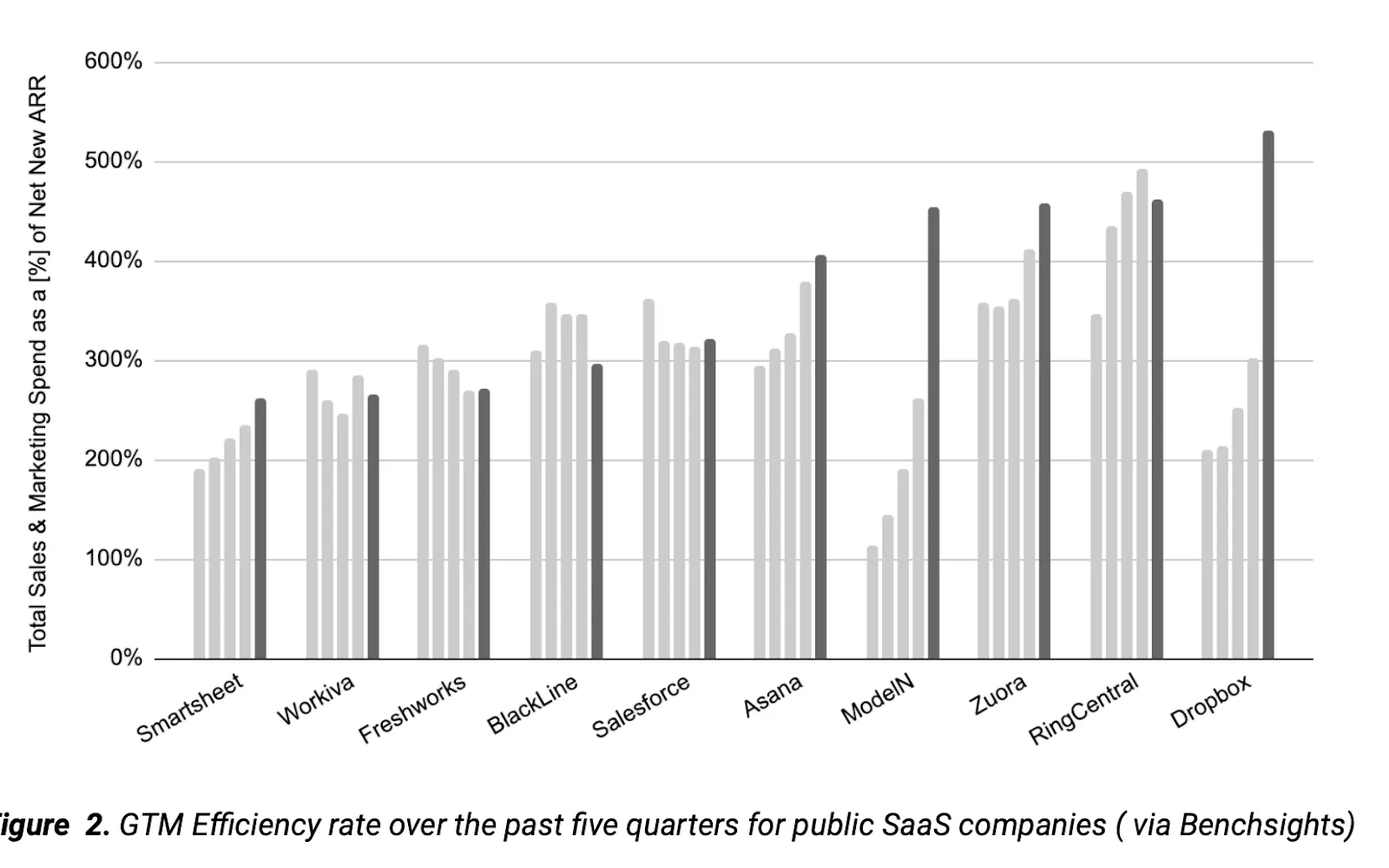
Sourced from Winning by Design, In 2025, AI Won’t Just Assist Salespeople – It Will Replace Them.
Top executives understand that AI can significantly reshape the economics of growth and are reinforcing this shift with bold mandates. According to Jacco J. van der Kooij, Founder of Winning by Design, “AI can solve GTM inefficiency by instantly scaling processes and reducing costs, making growth both scalable and sustainable.”
Shopify’s CEO Tobi Lütke made AI proficiency a formal expectation in 2025, telling teams they “must demonstrate why they cannot get what they want done using AI” before requesting to hire anyone. In other words, AI has shifted from a flashy new toy to essential infrastructure in sales. The real question now isn’t if your team should use AI, but how to make it truly impactful for your frontline managers, directors, and VPs.
This post draws on recent insights from B2B SaaS and enterprise leaders to explore two urgent questions:
- AI adoption mandates – what tools are CROs requiring their teams to use, and how do they measure utilization and impact?
- Making it stick – What training, accountability, and enablement practices are helping organizations move from top-down mandate to lasting mastery?
The goal is to surface what’s actually working in the field so you can lead confidently through the next phase of AI transformation.
AI Adoption Mandates: Tools, Utilization, and Impact
Leading revenue organizations are no longer treating AI as optional – they’re baking it into daily sales workflows by design. In many cases, using certain AI-powered tools is non-negotiable.
CROs in tech-forward companies have shared striking examples:
At OpenAI, the revenue team famously has no SDRs. Instead, they use an in-house AI workflow agent (nicknamed “Taylor”) to qualify inbound leads, parse buyer intent, and even close smaller deals autonomously. Sales reps prepare for high-stakes calls by role-playing with an AI simulation agent, and the Head of Revenue uses ChatGPT as a digital “chief of staff” to surface account history and insights before meetings.
Gong’s CRO has every rep leveraging conversational intelligence tools for call recording and analytics, which gives each rep back nearly a full workday per week that was previously lost to CRM data entry, note-taking, and forecasting admin.
These examples reflect a broader shift: tasks once handled manually by junior staff or by reps themselves are now automated with AI, and teams are expected to embrace that shift to reclaim more time for high-value selling.
AI can make a difference across a variety of places. One good way to think about opportunities is to determine where across the customer journey AI can make an impact (which role):
- Scalability, e.g., increased growth rate
- Sustainability, e.g., lower cost, or
- Durability, e.g., improve quality
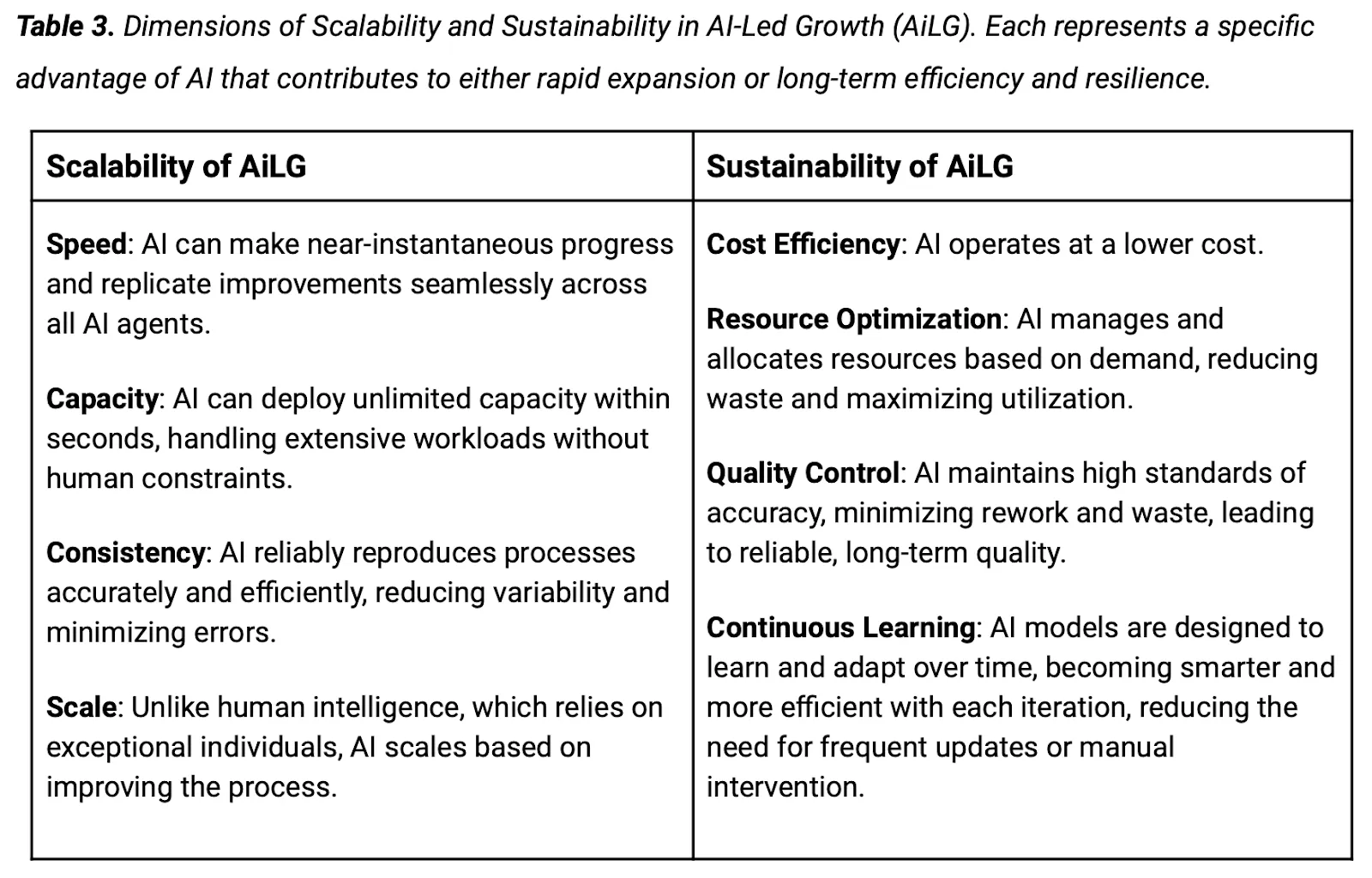
Sourced from Winning by Design, In 2025, AI Won’t Just Assist Salespeople – It Will Replace Them.
Mandated Use of Sales AI Platforms
Many organizations have standardized on AI-powered platforms for core sales processes. Revenue intelligence and forecasting systems are increasingly required for pipeline management, while enablement teams insist that reps use AI coaching tools (such as Gong, Chorus, or Intersight features) on every client call.
In fact, a recent industry report found that:
- 81% of sales enablement teams reported using AI to generate personalized sales content (such as auto-tailored pitches and decks), nearly triple the 2024 rate.
- 60%+ of sales orgs rely on AI for real-time rep coaching and role-play simulations
The expectation is clear: every rep must incorporate AI tools into their daily workflow—whether it’s for content creation, call prep, follow-up, or forecasting. Organizations that fail to do so risk falling behind more adaptive competitors.
What Categories of AI Tools Are CROs Requiring?
As AI becomes foundational to modern sales orgs, revenue leaders aren’t just picking one tool—they’re assembling a stack that supports the full revenue lifecycle. Here’s a quick breakdown of the most common categories of AI tools that B2B organizations are standardizing across their teams:
1. Lead Intelligence & Prospecting AI
Tools that help reps find and prioritize the right accounts by surfacing intent data, buyer signals, and enriched contacts.
Examples: 6sense, ZoomInfo, Apollo, Clay
2. Outbound Messaging & Email Assistants
AI copilots that personalize outreach and draft better emails, faster.
Examples: Lavender, Regie.ai, Drift Email AI
3. Conversational Intelligence
Platforms that record, transcribe, and analyze sales calls—offering real-time coaching, talk-track analysis, and performance feedback.
Examples: Gong, Intersight.ai, Avoma
4. Pipeline Forecasting & Deal Risk Alerts
AI that gives CROs and managers clearer visibility into which deals are real, which are at risk, and how forecasts are trending.
Examples: Clari, BoostUp, Intersight.ai

5. Rep Coaching & Enablement
AI-powered feedback loops that help every rep sound like your best rep—through skill assessments, coaching suggestions, and personalized playbooks.
Examples: Intersight.ai, Second Nature, Mindtickle
6. Proposal & Follow-Up Automation
No more scrambling to write follow-up emails or recap decks—these tools auto-generate recaps, next steps, and even business cases.
Examples: Intersight.ai, Qwilr, Scratchpad AI
7. CRM Automation
Nobody likes manual data entry. AI tools now log calls, update fields, and keep your CRM clean behind the scenes.
Examples: Salesforce Einstein, People.ai, Intersight.ai
8. Buyer Signal Tracking
These tools monitor buyer behavior—such as web visits and content engagement—and flag which accounts are heating up.
Examples: Demandbase, Bombora, Intersight.ai
9. Post-Sale Expansion & Churn Prediction
Customer success AI helps you retain and grow existing accounts by spotting churn risks or upsell signals.
Examples: Gainsight AI, Catalyst, Totango
10. AI Workflow Orchestration
Think of this as the glue that connects systems and automates sales motions, using AI to trigger reminders, nudges, and tasks.
Examples: Intersight.ai, Tray.io, Scratchpad
AI as the Revenue Backbone
As the VC firm Battery put it, “AI isn’t an experiment or a feature anymore. It’s becoming the backbone of revenue operations.” Rather than tolerating low adoption, boards and CROs are pushing for “AI-first strategies anchored to measurable conversion outcomes, not just tool adoption for its own sake”.
In practice, this means leadership needs to monitor impact metrics, not just utilization. The expectation is that AI should directly drive key results (more meetings, shorter cycle times, larger deals).
Measuring Utilization and Impact: Key Metrics for CROs and Sales Leaders
Modern revenue organizations are shifting from a “growth at all costs” mindset to one focused on profitable, efficient growth. That means moving from headcount-heavy strategies to efficiency-focused execution—and using AI to unlock better performance across every rep.
To do this, you need to track two dimensions:
- Utilization – Are your teams adopting the tools and following the plays?
- Impact – Are those tools delivering results?
Tracking Utilization: Are Your Teams Adopting the Tools and Tactics?

Introducing AI-driven sales enablement is only half the battle – the other half is getting your team to use it. Enablement leaders and frontline managers should monitor adoption metrics as leading indicators of success. Key utilization metrics include:
- Feature Usage & Login Frequency: Track how often reps log into the platform and which AI features they use. Frequent usage signals that the tool is becoming ingrained in their workflow.
- Content and Playbook Utilization: Measure how often sellers leverage the AI-generated playbooks, recommended talk tracks, or other content in their sales process. For example, if an AI tool like Intersight surfaces a tailored playbook for a deal, did the rep open it or follow its guidance? High utilization of these AI insights indicates reps are embracing new best practices, which is crucial for seeing downstream impact.
- Training and Coaching Adoption: Similarly, track participation in any AI-driven coaching insights. If the platform flags a rep’s skill gap (e.g., handling objections) and provides a recommendation, does the manager incorporate that into coaching? Adoption can be quantified by the percentage of reps actively engaging with AI-generated recommendations or the completion rate of AI-suggested learning modules. This helps you check that reps embraced the AI assistance provided, rather than ignoring it.
Focusing on these utilization metrics helps enablement teams optimize adoption. By monitoring usage data, you can identify teams or individuals who need extra support and iterate on rollout strategies accordingly. The end goal is to integrate the AI tool into daily sales processes, as utilization is a prerequisite for improving results.
Tracking Impact: Are You Moving the Needle on Performance?
Impact Metrics: Is AI Moving the Needle?
Once adoption is in motion, look at performance outcomes:
- Win Rates: Have win rates increased after AI-guided plays and talk tracks were introduced?
- Deal Velocity: Are reps closing deals faster after using AI-generated proposals and follow-up flows?
- Average Deal Size: Is better messaging and objection handling—guided by AI—leading to larger contracts?
- Stage-by-Stage Conversions: Are you seeing improved progression rates across the funnel?
- Rep Productivity: Is the team doing more (meetings, proposals, outreach) with the same or fewer resources?
- Ramp Time: Are new reps hitting quota faster after onboarding with AI playbooks and simulations?
- Job Satisfaction: Are reps and frontline managers less stressed, able to work fewer hours, and get their work done?
- Retention & Expansion: Is better expectation-setting and buyer alignment improving renewal and upsell performance?
- Buyer Satisfaction: Are prospects responding more positively to AI-enhanced touchpoints, personalization, and value communication?
More broadly, you can look at AI into two parts:
- AI-led cost reductions
- AI-led growth.
Track these KPIs before and after AI implementation. Benchmark. Then review weekly. AI should drive performance gains, not just process change.
Making It Stick: From Mandate to Mastery
Instilling an AI mandate is step one; step two is ensuring your managers and reps actually master these technologies and fold them into their daily work. This is where many companies struggle – in a 2025 survey, 48% of sales enablement leaders reported that adoption remains a challenge despite having AI tools in place. The biggest barrier cited wasn’t outright resistance, but lack of understanding and training: sellers simply weren’t clear how to use the AI effectively or why it would help them, leading to skepticism.
To address this, organizations are shifting significantly toward enablement, skill development, and incentive alignment around AI. In an AI-driven world, you can’t just mandate usage – you must cultivate confidence and competence. Here’s how revenue leaders are making it stick:
1. Solve Integration Headaches Early
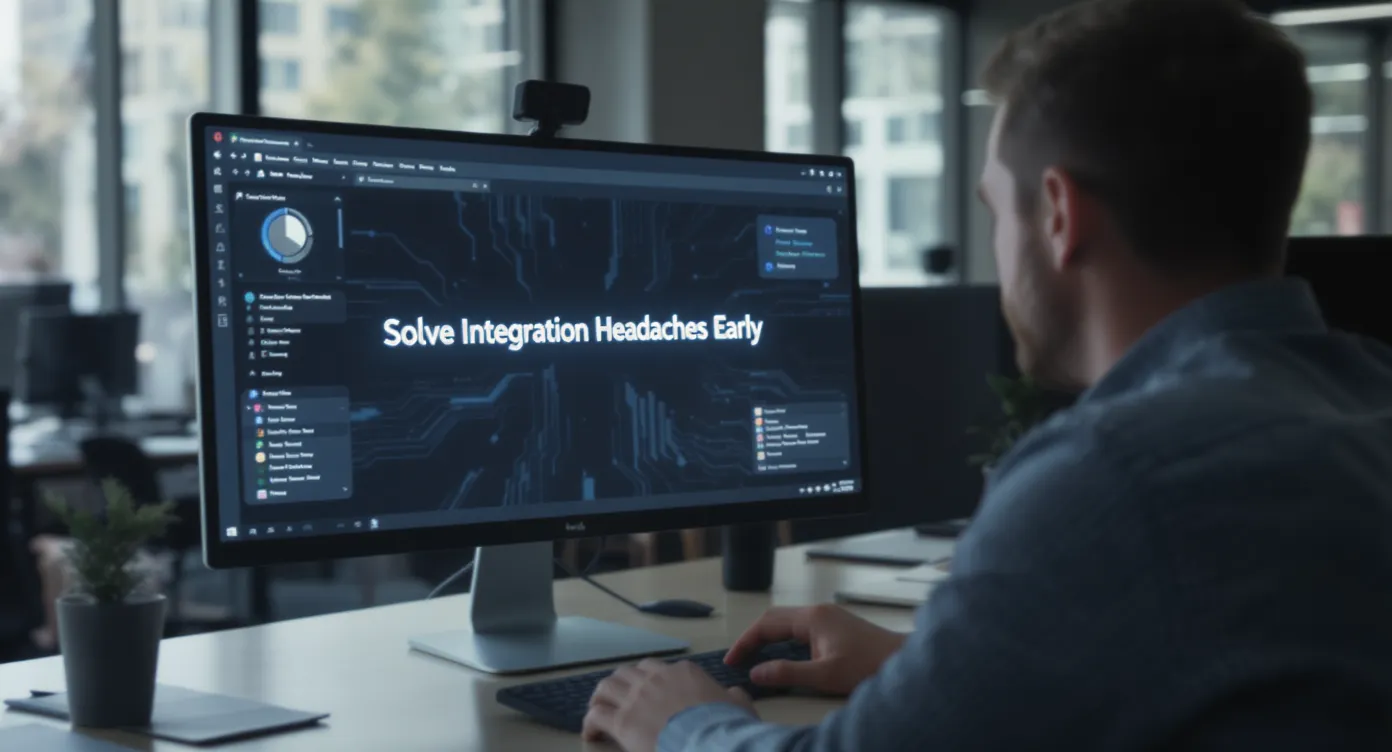
One of the main reasons AI initiatives stall is the data plumbing problem. Many platforms promise revenue insights, coaching analytics, and predictive forecasting—but they require months of custom integration work to connect with your CRM, calendar, call recordings, and content systems. Sales leaders are forced to involve RevOps and engineering, which slows rollout and erodes early enthusiasm.
This is where platforms like Intersight.ai break the cycle. With prebuilt connectors to tools such as Salesforce, HubSpot, Gong, Microsoft Outlook, Zoom, and Google Calendar, it eliminates the need for custom engineering. Integration becomes point-and-click. Teams can start analyzing deal health, surfacing buyer intent, and automating follow-ups within hours, not months.
This speed-to-value removes a major blocker to adoption. Managers aren’t stuck stitching together dashboards. Reps don’t need to duplicate data entry. The AI just works—surfacing the right insights at the right moment across the systems your team already uses.
2. Drive Behavior Change with Training, Coaching, and Role Clarity
With the integration hurdle removed, the next challenge is human: helping your team confidently embrace and apply the AI. According to BCG, successful AI transformations in B2B sales require 70% of the effort to focus on people and processes—not the technology itself. That’s why the most effective GTM leaders treat AI rollouts not as software deployments but as change-management initiatives.
Best-in-class teams are:
- Running role-based workshops showing how AI fits specific workflows
- Embedding AI into playbooks and sales rituals (e.g., forecast calls, deal reviews, QBRs)
- Appointing “AI champions” inside teams to model usage and answer peer questions
- Building feedback loops to identify which content, signals, or tools are underused—and course-correcting promptly.
Training shouldn’t be a one-time event. It should be ongoing, contextual, and driven by real deal execution.
3. Redesign Roles and Incentives for an AI-Driven Culture
Just as important as training is clarifying expectations and aligning incentives. Many orgs are redefining sales roles to reflect new competencies—such as AI fluency, adaptability, and curiosity. Managers are coached to move from gut-feel forecasting to evidence-based inspection, aided by deal insights and sentiment analysis. Reps are encouraged to treat the AI assistant as a partner, not a threat, and are rewarded for using the platform to improve consistency and performance.
Some companies even incorporate AI engagement metrics into scorecards, such as content utilization, coaching feedback loops, or pipeline hygiene improvements tied to tool use. Others assign OKRs around rep upskilling or forecast confidence levels. Intersight helps here by surfacing usage and effectiveness data, so leaders can see not just what’s being adopted—but what’s actually working.
Final Word: Leading Through the Shift
The shift to AI-powered sales isn’t a technology decision. It’s a leadership decision.
The CRO and VPs provide the vision and clear expectations, and ensure the “why” (business goals) is tied to the AI initiative. Then they invest heavily in the “how” – training their frontline managers and sales reps and RevOps team, restructuring processes, and nurturing a culture of experimentation and learning. When done right, the results are significant: faster ramp, higher win rates, more predictable revenue, and less stressed-out frontline managers and sales reps.
The new playbook is still being written. But the teams that are writing it now—with intent, metrics, and enablement—will be the ones defining what good looks like for the next decade of B2B selling.
.avif)
.webp)
.webp)
